
That nagging crack in your basement wall, the slight slope you’ve noticed in the floor, or perhaps the dream of a truly spacious and functional basement has you considering your home’s foundation. You might have come across the term basement underpinning, but what exactly is it, and why might it be a crucial consideration for your home? You’re not alone in asking these questions. This guide will equip you with the essential knowledge you need to understand basement underpinning and its importance for homeowners like you.
Defining Basement Underpinning: The Basics
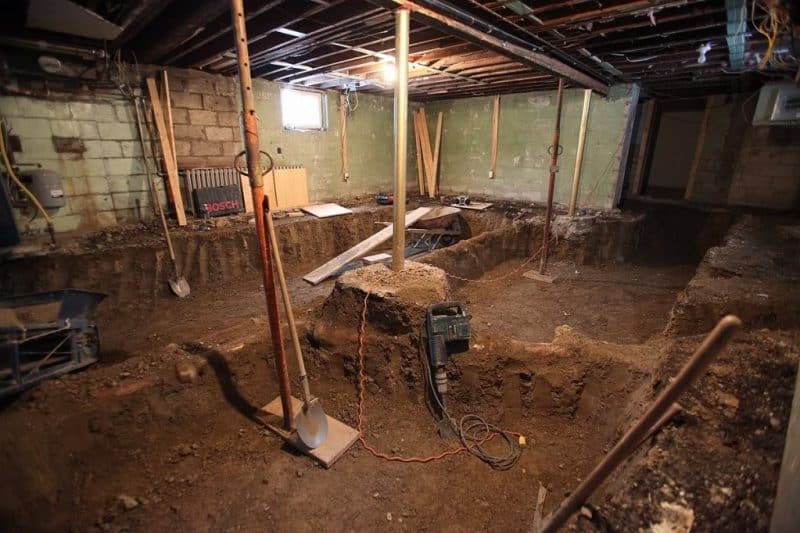
Basement underpinning is fundamentally the process of strengthening and stabilizing the existing foundation of your home by extending it deeper or wider. Think of it as providing your house with a more robust and secure base. Instead of simply repairing existing damage, underpinning addresses the underlying issues that may have led to foundation problems or limitations in the first place.
Why is this necessary? Several factors can necessitate underpinning:
Shallow Foundations:
Many older homes were built with foundations that weren’t as deep as modern building codes recommend or as ideal for the local soil conditions.
Unstable Soil:
The soil composition in certain areas can be prone to shifting due to moisture content and freeze-thaw cycles, putting stress on foundations.
The Desire for a Lower Basement Floor:
If you’re dreaming of higher ceilings and a more usable basement space, underpinning allows for the excavation and lowering of the existing floor level.
Addressing Existing Foundation Issues:
Underpinning can be a vital solution to stabilize a foundation that has already experienced settlement, cracking, or other forms of damage, preventing further deterioration.
Think of it like this: if your home’s foundation is like the roots of a tree, underpinning is like helping those roots grow deeper and stronger to provide better support for the entire structure.
Why Homeowners Might Consider Basement Underpinning
For homeowners, underpinning can be a strategic solution for various needs:
Addressing Foundation Settlement and Cracks:
The local climate and soil can contribute to foundation movement over time. Underpinning can stabilize a settling foundation, prevent further cracking, and ensure the long-term structural integrity of your home.
Increasing Basement Ceiling Height for Usability:
Many older homes have basements with low ceilings, making them feel cramped and limiting their potential as comfortable living spaces. Underpinning offers a way to gain valuable vertical space, transforming your basement into a more inviting area.
Creating More Usable Basement Space:
Whether you envision a recreation room, a home office, or an extra living area, underpinning can provide the necessary headroom and stable foundation to make these dreams a reality.
Strengthening Foundations for Home Additions:
If you’re planning to add an extension to your home, underpinning the existing foundation might be necessary to ensure it can adequately support the increased load.
Meeting Building Code Requirements:
For a basement to be considered a legal and habitable space, it often needs to meet specific ceiling height requirements. Underpinning can help achieve this compliance.
The General Process of Basement Underpinning
While every project is unique, the general process of basement underpinning typically involves these steps:
1. Initial Assessment and Planning:
A qualified structural engineer or experienced underpinning contractor will assess your foundation and develop a detailed plan tailored to your home’s specific needs and local soil conditions.
2. Obtaining Permits:
Adhering to local building codes is crucial. Your contractor will typically handle the application and acquisition of the necessary permits.
3. Excavation:
Working in manageable sections, the soil around and beneath your existing foundation is carefully excavated.
4. Formwork and Reinforcement:
Forms are constructed, and steel reinforcement bars (rebar) are installed to provide strength to the new concrete.
5. Concrete Pouring:
High-strength concrete is poured into the forms, extending your foundation to the planned depth or width.
6. Curing:
The newly poured concrete is allowed to cure properly to achieve maximum strength and stability.
7. Backfilling:
Once the concrete has cured, the excavated soil is carefully backfilled around the new foundation.
It’s important to remember that this is a specialized process that requires expertise and precision.
Key Considerations for Homeowners
As a homeowner considering underpinning, keep these factors in mind:
Identifying the Need:
Be aware of the warning signs of foundation problems common in your area, such as those mentioned earlier. Don’t ignore these signals.
Cost Factors:
The cost of underpinning will vary depending on the scope of the project, the depth required, the size of your home, soil conditions, and accessibility. Obtain detailed quotes from multiple reputable contractors.
Timeline and Disruption:
Understand that underpinning is a significant project that will involve a period of work and some disruption to your property. Discuss the estimated timeline with your contractor.
Choosing a Qualified Contractor:
Select a contractor with specific experience in basement underpinning in your region. Check for licensing, insurance, local references, and detailed, transparent quotes.
Permits and Regulations:
Ensure your contractor is knowledgeable about local building codes and handles the necessary permits.
Benefits of Basement Underpinning: A Summary
Investing in basement underpinning for your home can provide numerous long-term benefits:
Enhanced Structural Stability:
Protecting your home from further foundation movement and potential damage.
Increased Basement Height and Usable Space:
Transforming a cramped basement into a comfortable and functional living area.
Prevention of Further Foundation Damage:
Addressing the root causes of foundation issues.
Potential for Increased Property Value:
A structurally sound and usable basement is a significant asset.
Improved Safety and Comfort:
Creating a healthier and more enjoyable living environment.
Making Informed Decisions for Your Home
Understanding what basement underpinning is and why it might be necessary is the first step towards making informed decisions about your home’s foundation. If you’re noticing signs of foundation issues or dreaming of a more functional basement, don’t hesitate to seek professional advice from experienced foundation specialists serving your area. Investing in your foundation is investing in the long-term stability, value, and enjoyment of your home.
 Home Care Art Blog