
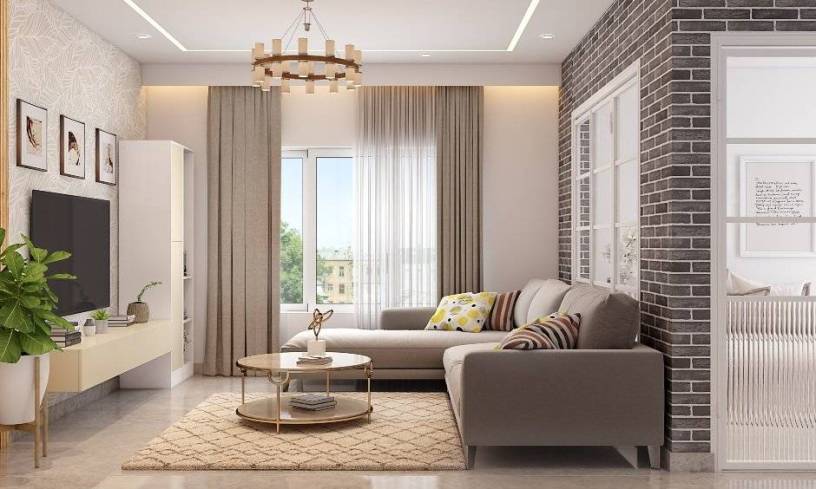
Interior design is a fascinating blend of creativity, functionality, and psychology. It goes beyond mere decoration, serving as a way to enhance the usability and aesthetic appeal of spaces. In this exploration of interior design, we will cover essential elements that contribute to creating environments that inspire, comfort, and captivate.
Understanding the Space
The foundation of successful interior design lies in understanding the space you are working with. Each room possesses unique characteristics, including size, shape, and natural light sources. Grasping these features is crucial for making informed design choices.
Analyzing Dimensions and Layout
Before diving into color schemes or furniture selection, take the time to analyze the dimensions of the room. Measure the space accurately to ensure that any furniture or fixtures will fit comfortably. Consider the layout—how will people move through the space? Creating a logical flow not only enhances functionality but also encourages interaction in communal areas.
Identifying Purpose
Every room serves a purpose, whether it’s a cozy reading nook, a lively dining area, or a functional workspace. Clearly defining the intended use of each space can guide your design decisions. For instance, a home office should prioritize productivity, with ergonomic furniture and adequate lighting, while a living room might focus on comfort and relaxation.
The Impact of Color
Color plays a vital role in interior design, as it can significantly influence mood and atmosphere. Understanding color theory and the psychology of colors is essential for creating the desired ambiance.
Color Psychology
Different colors evoke different emotions. Warm tones like reds, oranges, and yellows tend to create energy and warmth, making them ideal for social spaces like kitchens and dining rooms. Conversely, cool colors such as blues and greens are known for their calming effects, making them perfect for bedrooms and serene retreats.
Creating a Cohesive Palette
When selecting colors for a space, aim for a cohesive palette that complements the overall design. A unified color scheme can create a sense of harmony throughout the home. You might choose a neutral base color and then incorporate bolder accents through accessories, artwork, or accent walls, allowing for flexibility and personal expression.
Texture: Adding Depth and Interest
Texture adds richness and dimension to a space, transforming it from flat and ordinary to dynamic and inviting. Mixing different textures creates a layered effect that enhances visual interest.
Material Variety
Incorporate a variety of materials to create contrast. For instance, pairing sleek leather with soft textiles, or rough wooden surfaces with polished metal accents, can evoke a sense of balance. A tactile experience can make spaces feel more engaging; consider how different surfaces invite touch and interaction.
Sustainability in Material Choices
The trend towards sustainability is reshaping the interior design landscape. Opting for eco-friendly materials not only benefits the environment but also lends character to your space. Materials such as reclaimed wood, bamboo, and recycled textiles not only reduce your carbon footprint but also add unique stories and textures to your interior.
The Art of Lighting
Lighting is a crucial element that can transform the atmosphere of any room. A well-thought-out lighting design enhances functionality while creating a mood that reflects the desired ambiance.
Types of Lighting
An effective lighting scheme combines three types of lighting: ambient, task, and accent. Ambient lighting provides general illumination, ensuring the space is well-lit. Task lighting focuses on specific areas, such as a reading lamp by a chair or bright lighting over a kitchen island. Accent lighting, on the other hand, highlights artwork or architectural features, adding drama and interest.
Emphasizing Natural Light
Maximizing natural light can significantly affect the feel of a room. Large windows, skylights, and reflective surfaces can enhance brightness and create an open, airy environment. Incorporating sheer curtains allows light to filter in while maintaining privacy, striking a balance between openness and coziness.
Personal Touches and Style
While design principles are important, personal touches make a space truly unique. Incorporating elements that reflect your personality and experiences adds depth to your interior.
Art and Decor
Art is an expressive tool that can define a space’s character. Selecting pieces that resonate with you can bring life and personality to your environment. Whether it’s a vibrant painting, a series of photographs, or handcrafted decor, art serves as a focal point that ties the room together.
Curating Collections
Personal collections can add a narrative layer to your space. Travel souvenirs, cherished books, or family heirlooms can enhance visual interest while evoking memories. Displaying these items thoughtfully can transform them into conversation starters and meaningful elements of your design.
Functionality Meets Aesthetics
Successful interior design is not merely about aesthetics; it’s about creating environments that support daily life. Consider how each element contributes to the overall functionality of the space. For example, multifunctional furniture, such as a coffee table that doubles as storage or a sofa bed for guests, enhances usability without compromising style.
Embracing Change
Interior design is an ongoing process that reflects the evolving nature of our lives. As your needs and tastes change, so can your space. Regularly reassessing your environment allows you to make adjustments that keep it fresh and relevant.
Designing a space that harmonizes aesthetics with functionality requires careful consideration of various elements. By understanding space, choosing colors wisely, mixing textures, utilizing lighting effectively, and incorporating personal touches, you can create interiors that are not only visually appealing but also deeply reflective of the lives lived within them. The art of interior design is about crafting spaces that inspire and nurture, making every day a little more beautiful.
 Home Care Art Blog