
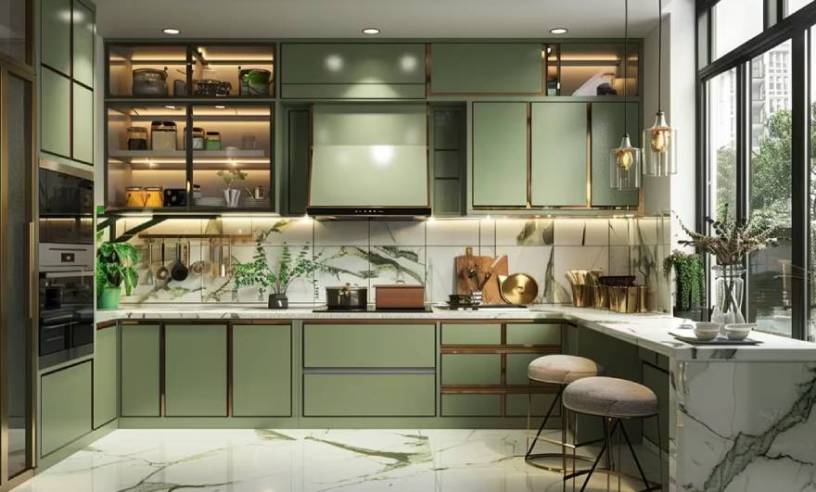
The kitchen is often regarded as the heart of the home, a space where culinary magic unfolds and memories are made. Designing a kitchen is not merely about selecting trendy fixtures or the latest appliances; it’s about crafting a functional, inviting, and personal environment that reflects your lifestyle and enhances your cooking experience. Let’s explore key aspects of kitchen design to inspire your next project.
Layout: The Backbone of Efficiency
The layout of your kitchen significantly influences its functionality. The arrangement of elements must facilitate an efficient workflow, ensuring that the space is user-friendly. Here are the most common layouts to consider:
- L-Shape Layout: This design is ideal for smaller spaces, utilizing two adjacent walls. It promotes a natural work triangle between the stove, sink, and refrigerator, optimizing movement. This layout is versatile, allowing for a dining area to be incorporated without overwhelming the space.
- U-Shape Layout: Perfect for larger kitchens, the U-shaped design features cabinetry and appliances along three walls. This layout offers generous counter space and storage, accommodating multiple cooks and enhancing collaboration during meal preparation.
- Galley Layout: Often found in compact homes, the galley kitchen consists of two parallel countertops with a walkway in between. This design maximizes efficiency, making it easy to access everything from the pantry to the cooking area without unnecessary steps.
- Island Layout: Introducing an island can transform your kitchen’s functionality. An island serves as additional prep space, a casual dining area, or a gathering spot for family and friends. It can also house appliances or provide extra storage, making it a multifunctional centerpiece.
When deciding on a layout, consider your cooking habits, family dynamics, and the overall flow of your home. Flexibility is crucial; think about how you envision using the space for both daily meals and entertaining guests.
Material Selection: Balancing Aesthetics and Durability
The materials you choose for your kitchen play a pivotal role in its appearance and functionality. Here’s a detailed look at essential components:
- Countertops: Your choice of countertop should align with your cooking style and maintenance preferences. Granite, known for its durability and natural beauty, is a popular option. Quartz offers a uniform look with low maintenance, while butcher block adds warmth and charm, perfect for those who love to cook.
- Cabinetry: Cabinets set the tone for your kitchen’s aesthetic. Options range from classic Shaker-style to modern flat-panel designs. Material choices include solid wood, laminate, and even metal, allowing you to achieve a look that resonates with your personal style.
- Backsplash: The backsplash is not only functional—protecting walls from splashes—but also a chance to express creativity. Subway tiles are timeless, while colorful mosaics can add visual interest. Consider materials like glass, ceramic, or stainless steel to create a cohesive look.
- Flooring: Choose flooring that combines style with durability. Tile is a practical choice, resistant to moisture and easy to clean. Hardwood brings warmth and character, though it may require more upkeep. Luxury vinyl offers a budget-friendly alternative that mimics the look of wood or tile.
Lighting: Creating an Inviting Atmosphere
Proper lighting is crucial in a kitchen, as it affects both the functionality and ambiance of the space. A well-lit kitchen should incorporate three types of lighting:
- Ambient Lighting: This general illumination sets the overall tone. Ceiling-mounted fixtures or recessed lights can provide consistent light throughout the kitchen, ensuring safety and visibility.
- Task Lighting: Focused lighting is essential for work areas, such as countertops and stovetops. Under-cabinet lights, pendant lights over an island, or even a well-placed chandelier can enhance visibility, making cooking tasks easier.
- Accent Lighting: To highlight specific features, such as artwork or architectural details, consider using accent lighting. LED strips or spotlights can draw attention to your favorite design elements, adding depth and character to the space.
By thoughtfully combining these lighting types, you can create an inviting atmosphere that adapts to various activities, from cooking to entertaining.
Smart Storage Solutions: Keeping Your Kitchen Organized
A well-organized kitchen enhances functionality and reduces clutter, making it easier to cook and entertain. Here are some clever storage solutions:
- Pull-Out Drawers: Installing pull-out shelves in cabinets maximizes accessibility, allowing you to easily reach pots, pans, and other kitchen essentials without digging through clutter.
- Vertical Storage: Utilize wall space for additional storage by installing open shelves or pegboards. This not only saves valuable counter space but also creates an opportunity to display beautiful cookware or plants.
- Corner Cabinets: Don’t let corner spaces go to waste. Lazy Susans or pull-out shelves can help you make the most of these often-overlooked areas, ensuring everything is within reach.
- Pantries: If your kitchen design allows, incorporating a pantry can streamline your storage. A well-organized pantry keeps dry goods, larger appliances, and even small kitchen gadgets neatly tucked away.
Personalization: Infusing Your Style
The final touch in kitchen design is personalization. This is where you can truly make the space your own. Consider the following elements:
- Color Palette: Choose colors that evoke the desired mood. Soft neutrals can create a calming environment, while bold colors can invigorate the space and spark creativity.
- Decorative Accessories: Introduce stylish dishware, artful kitchen tools, or decorative items to infuse personality. These elements can transform your kitchen from merely functional to genuinely inviting.
- Open Shelving: Instead of traditional cabinetry, consider open shelving to showcase your favorite cookbooks, stylish glassware, and decorative pieces. This approach creates an open, airy feel and invites guests to explore your culinary interests.
Designing your kitchen is an opportunity to create a space that not only meets your practical needs but also resonates with your personal style. By considering layout, materials, lighting, storage, and personal touches, you can craft a kitchen that is both beautiful and functional—truly the heart of your home.
 Home Care Art Blog