
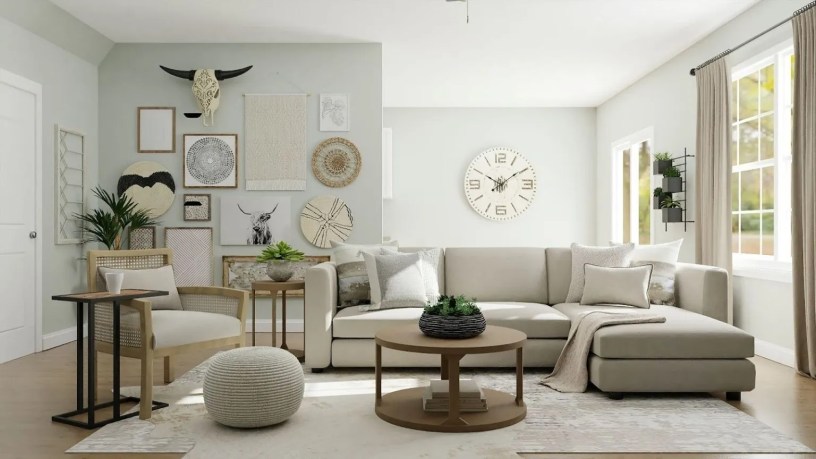
Selecting the right furniture for your home is a significant aspect of interior design that can enhance both aesthetics and functionality. The pieces you choose not only contribute to the visual appeal of your space but also play a vital role in your daily comfort and lifestyle. This guide will explore essential considerations for selecting home furniture, ensuring your living space reflects your unique style while meeting your practical needs.
Assessing Your Space
Before diving into specific furniture selections, take a moment to thoroughly assess your space. Start by measuring the dimensions of each room, including the height, width, and depth. This information will help you understand what furniture can comfortably fit without overwhelming the area. Pay attention to architectural features like windows, doors, and built-in elements that may influence your choices.
Consider the flow of movement throughout the space. Furniture should facilitate easy navigation; avoid blocking pathways or creating cramped corners. Visualize how you intend to use each room. For instance, a living room may need ample seating for gatherings, while a home office may require a desk with good storage options. Understanding your needs will guide your furniture selection process.
Defining Your Style
Your personal style should shine through in your furniture choices. Take time to explore various design aesthetics—whether modern, traditional, eclectic, or minimalist. Look for inspiration in design magazines, blogs, or social media platforms like Pinterest. Once you identify your preferred style, it will serve as a roadmap for selecting pieces that harmonize with your vision.
When choosing furniture, consider how colors and materials reflect your style. For instance, a modern aesthetic may favor sleek lines and neutral tones, while a bohemian vibe might embrace bold colors and varied textures. A cohesive style not only enhances the beauty of your home but also creates a welcoming atmosphere.
Prioritizing Functionality
Functionality is a cornerstone of effective furniture selection. Every piece should serve a distinct purpose while enhancing the overall design. Think about how each item will be used on a daily basis. For example, if you entertain often, a spacious dining table with comfortable seating is essential. In contrast, a compact sofa bed might be ideal for small spaces where guests may stay overnight.
When selecting furniture, consider the specific activities that will occur in each room. A family room may benefit from durable materials that withstand wear and tear, while a bedroom may prioritize comfort and tranquility. The right pieces should not only look good but also cater to your lifestyle needs.
Material Selection
The materials used in furniture greatly influence both its appearance and durability. Here are some common materials and their attributes:
- Wood: A timeless choice, wood furniture brings warmth and character to any space. Hardwoods like oak and cherry offer durability, while softer woods such as pine are more budget-friendly but may require extra care. Consider finishes as well; a natural finish can highlight the wood’s grain, while painted options can add a splash of color.
- Metal: Often associated with modern and industrial designs, metal furniture is durable and can add a sleek touch. It’s also lightweight, making it easy to rearrange. However, consider how the finish—be it brushed, polished, or matte—will fit into your overall design scheme.
- Upholstered Fabrics: Upholstered furniture can greatly enhance comfort. Choose high-quality fabrics that are both attractive and practical. Popular options include leather, which offers durability and ease of cleaning, and various textiles like cotton or linen, which can provide a softer touch. Look for fabric blends that resist staining and fading, particularly in high-traffic areas.
Color and Texture
Color and texture play a pivotal role in setting the mood of a room. Neutral tones often create a serene environment, while vibrant colors can energize a space. When selecting furniture, consider how colors interact; for example, pairing a bold sofa with subtle accent chairs can create a balanced look.
Texture adds depth and interest to your design. Mixing materials—such as a sleek leather chair with a plush fabric ottoman—can create a rich sensory experience. Incorporate various textures through cushions, rugs, and throws to enhance the overall visual appeal.
Sustainable Choices
With growing awareness of environmental issues, many homeowners are opting for sustainable furniture choices. Look for pieces made from reclaimed materials or certified sustainable wood. Brands that prioritize eco-friendly practices often use low-VOC finishes and non-toxic adhesives, which contribute to better indoor air quality.
Selecting sustainable furniture not only benefits the planet but also reflects a commitment to responsible living. Research manufacturers and retailers that emphasize environmentally friendly practices and materials, ensuring your purchases align with your values.
Budgeting Strategically
Establishing a budget is crucial when selecting furniture. Determine how much you are willing to spend and allocate funds for each room. While it may be tempting to splurge on trendy items, focusing on a few high-quality pieces can be more rewarding than filling your space with lower-quality alternatives.
Keep an eye out for sales and discounts, and consider investing in key items that will see heavy use. By strategically planning your purchases, you can create a beautiful, functional home without financial strain.
Adding Personal Touches
Infusing your personality into your furniture selections makes your space uniquely yours. Incorporate items that reflect your interests and experiences, such as artwork, decorative accents, or family heirlooms. These personal touches can transform your home into a warm and inviting sanctuary.
Accessories like cushions, throws, and decorative objects can further enhance the overall design, providing layers of interest and comfort. Mixing personal elements with your furniture choices can create a truly one-of-a-kind living environment.
Creating Cohesion Across Spaces
As you select furniture, aim for a cohesive look throughout your home. While each room may serve different functions, maintaining a consistent style, color palette, and material choice creates a harmonious flow. This does not mean every room must look identical; rather, they should complement each other to enhance the overall aesthetic of your home.
By thoughtfully considering these aspects of furniture selection, you can curate a living space that is both functional and visually stunning. Take your time exploring options, and allow your home to reflect your unique style and lifestyle. With careful planning and creativity, you can create a space that is inviting, comfortable, and entirely your own.
 Home Care Art Blog