
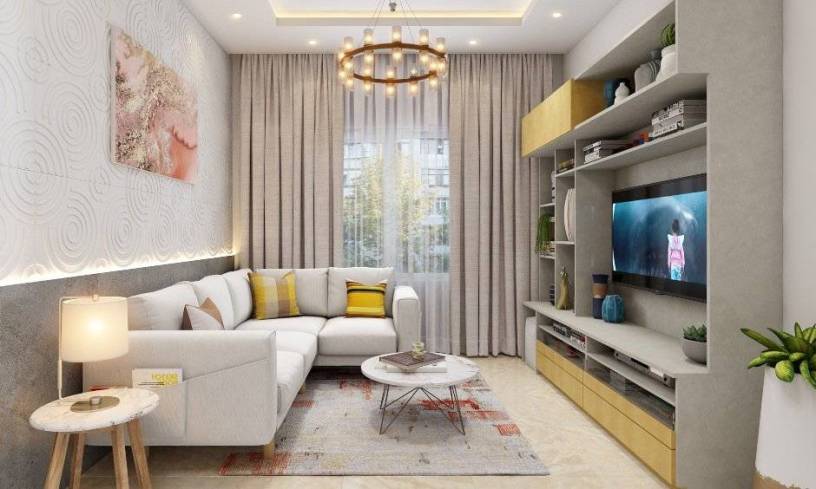
Interior design is an intricate blend of creativity, functionality, and emotional resonance. It encompasses the art of arranging spaces to not only meet the practical needs of daily living but also to reflect the personalities and lifestyles of those who inhabit them. In this exploration, we’ll delve into the fundamental elements of interior design, offering insights that can inspire your next project, whether it’s a cozy nook in your home or a bustling office environment.
Understanding Space and Functionality
At the heart of interior design is a thorough understanding of space. Every room has unique dimensions, architectural features, and natural light sources that influence design choices. Grasping these elements is crucial for creating environments that are both functional and inviting.
Spatial Awareness
Effective spatial awareness involves assessing how a room’s layout can best serve its intended purpose. For instance, in a living room, a well-considered arrangement of furniture can foster conversation and interaction, while in a bedroom, a layout that promotes relaxation is essential. Utilizing the available space wisely helps create a sense of balance and harmony.
Zoning
Zoning is another vital technique used to define areas within a larger space. For example, an open-plan living area can be segmented into distinct zones for dining, lounging, and working, each tailored to its specific function. This not only enhances usability but also allows for a more organized and aesthetically pleasing environment.
The Power of Color
Color is one of the most impactful elements in interior design, capable of influencing mood, perception, and even behavior. Understanding color theory is essential for selecting palettes that evoke the desired atmosphere.
Color Psychology
Different colors evoke different emotional responses. For example, blue is often associated with tranquility and productivity, making it an excellent choice for workspaces. In contrast, warm tones like orange and red can create a vibrant, energetic atmosphere, suitable for social areas like kitchens or dining rooms.
Creating Cohesion
When choosing colors for a space, consider how they work together. A well-coordinated color scheme can create a sense of flow throughout a home. Using a consistent palette with varying shades can enhance the overall aesthetic while allowing for individual expression in specific rooms.
Texture and Material Selection
Texture adds depth and character to interior spaces. Mixing various materials can create a rich, layered effect that enhances visual interest.
Diverse Materials
Incorporating a mix of textures—such as soft fabrics, smooth metals, and rough woods—can create a dynamic environment. For example, a velvet sofa paired with a reclaimed wood coffee table offers a striking contrast that is both inviting and sophisticated.
Sustainable Choices
Increasingly, designers are prioritizing sustainability in material selection. Choosing eco-friendly options like reclaimed wood, bamboo, or recycled materials not only benefits the environment but also adds unique stories and characteristics to a space.
Lighting as an Art Form
Lighting is often an overlooked element in design, yet it plays a crucial role in setting the mood and functionality of a space. A well-planned lighting scheme combines ambient, task, and accent lighting to enhance both aesthetics and usability.
Layering Light
Ambient lighting provides general illumination, while task lighting focuses on specific areas, such as reading nooks or kitchen countertops. Accent lighting draws attention to artwork or architectural features, adding drama and depth. By layering these different types of lighting, designers can create a warm, inviting atmosphere that adapts to various activities and times of day.
Natural Light
Maximizing natural light can profoundly impact the feel of a room. Large windows, skylights, and reflective surfaces can enhance brightness and create a sense of openness. Using sheer curtains allows sunlight to filter in while maintaining privacy, establishing a balance that can make spaces feel airy and expansive.
Personalization and Style
While design principles are essential, personal touches make a space uniquely yours. Incorporating elements that reflect individual tastes and experiences brings character and warmth to an environment.
Art and Decor
Art is a powerful way to express personality and style. Selecting pieces that resonate with you can infuse a room with life and vibrancy. Whether it’s a bold painting or a collection of photographs, art can serve as a focal point or complement other design elements.
Curated Collections
Incorporating personal collections—such as travel souvenirs, books, or family heirlooms—can create narrative layers within a space. These items not only add visual interest but also evoke memories and stories, making your environment feel genuinely lived-in and cherished.
Conclusion: The Intentional Craft of Interior Design
Interior design is a multifaceted discipline that merges aesthetics with functionality, deeply rooted in an understanding of human experience. By thoughtfully considering space, color, texture, lighting, and personalization, designers can create environments that are not only beautiful but also meaningful. Whether you’re embarking on a new design project or simply looking to refresh your surroundings, embracing these principles can lead to spaces that inspire and nurture, reflecting the true essence of those who inhabit them.
 Home Care Art Blog