
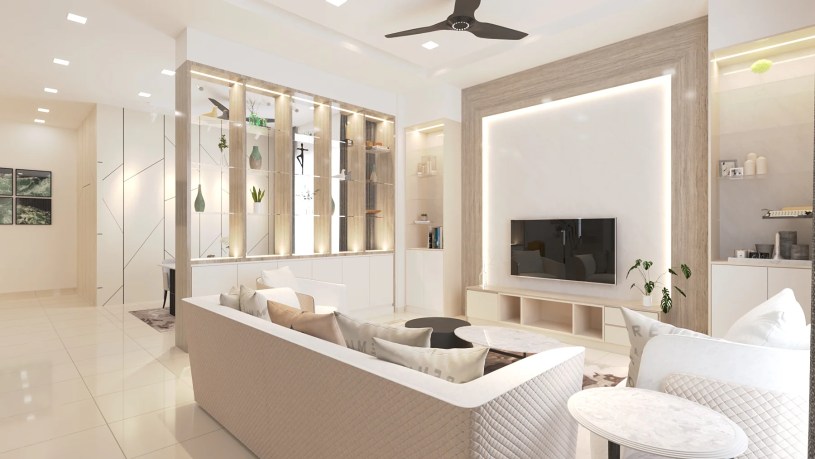
Interior design is more than just arranging furniture or choosing a paint color; it’s a thoughtful blend of art, science, and psychology aimed at transforming spaces into functional and aesthetically pleasing environments. Whether you’re designing a cozy home, a trendy office, or a vibrant restaurant, understanding the core principles of interior design is crucial. This article delves into key elements that make interior spaces resonate and thrive.
Understanding Space
The first step in interior design is comprehending the space you have. Each room comes with its own dimensions, natural light, and architectural features that influence design decisions. Understanding how to utilize space effectively can dramatically alter a room’s functionality and feel. For example, a small room may benefit from lighter colors and multifunctional furniture to create an illusion of openness, while a larger space may allow for bold statements with oversized pieces and dark tones.
Layout and Flow
Effective layout is essential in creating a harmonious environment. A well-planned arrangement facilitates movement and encourages interaction. The concept of flow relates to how easily one can navigate a space. For instance, in a living room, positioning seating arrangements to foster conversation while ensuring pathways remain clear enhances both comfort and functionality. Designers often use zoning to create distinct areas within larger spaces, balancing both openness and intimacy.
Color Theory
Color plays a pivotal role in interior design, influencing mood and atmosphere. Each color evokes different feelings and responses; warm colors like reds and yellows can energize a room, while cool colors like blues and greens promote calmness. When selecting a color palette, consider the purpose of the space. For a tranquil bedroom, soft, muted tones may be more appropriate, whereas a lively kitchen might benefit from vibrant hues that inspire creativity.
The Psychology of Color
Understanding the psychology behind colors can help designers create spaces that resonate with their inhabitants. For instance, studies have shown that blue can promote productivity, making it a suitable choice for home offices. On the other hand, earthy tones can create a sense of warmth and security, making them ideal for living areas. By incorporating colors thoughtfully, designers can foster specific emotional responses that enhance the user experience.
Texture and Materials
Texture adds depth and interest to a space. Mixing different materials—such as wood, metal, fabric, and glass—can create a dynamic environment. For instance, pairing a sleek leather sofa with a plush wool rug can evoke a sense of coziness while maintaining a modern aesthetic. Furthermore, textures can guide the tactile experience of a room. Smooth surfaces can feel more sophisticated, while rough textures can evoke a sense of warmth and familiarity.
Sustainable Materials
In today’s design landscape, sustainability is increasingly important. Choosing eco-friendly materials not only contributes to a healthier planet but can also create unique design opportunities. Reclaimed wood, recycled metals, and organic textiles offer both aesthetic appeal and environmental benefits. By opting for sustainable materials, designers can make a positive impact while crafting beautiful spaces.
Lighting Design
Lighting is often referred to as the unsung hero of interior design. It has the power to transform a room, enhancing its features and setting the mood. A well-planned lighting scheme includes ambient, task, and accent lighting, each serving a specific purpose. Ambient lighting provides overall illumination, task lighting focuses on specific areas such as workspaces, and accent lighting highlights architectural features or artwork.
Natural Light
Maximizing natural light can significantly influence a space’s ambiance. Large windows and strategically placed mirrors can reflect light, making rooms feel larger and more inviting. Incorporating sheer window treatments allows light to filter in while maintaining privacy. The right balance of natural and artificial light can create a vibrant, welcoming atmosphere.
Personal Touches
While design principles and aesthetics are essential, personal touches are what truly make a space feel like home. Incorporating elements that reflect individual personalities—such as family photos, travel souvenirs, or unique art pieces—creates a narrative within the space. This personal connection can foster comfort and belonging, making the environment more enjoyable.
The Role of Art
Art can be a focal point or a subtle enhancement within interior design. Selecting pieces that resonate with the inhabitants can add character and evoke emotions. Whether it’s a bold painting or a delicate sculpture, art has the power to define a space and reflect personal tastes.
Final Considerations
Interior design is a multifaceted discipline that requires a balance of creativity, functionality, and personal expression. By understanding space, color, texture, lighting, and the importance of individual touches, designers can create environments that inspire and nurture. Each decision contributes to a larger narrative that speaks to those who inhabit the space, making interior design an art form that continuously evolves to meet the needs and desires of its users. Embrace the intricacies of this craft, and let your spaces tell a story of comfort, creativity, and connection.
 Home Care Art Blog