
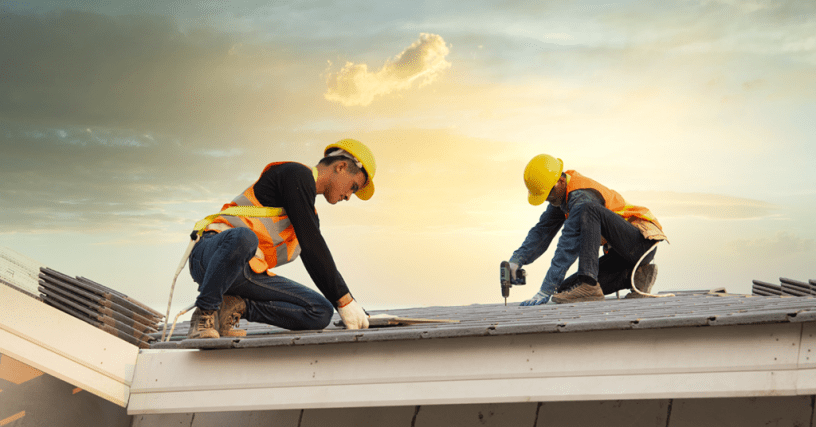
When it comes to the longevity and safety of a home, roofing stands as one of the most essential components. A well-constructed roof not only protects against the elements but also enhances the visual appeal of a property. In this guide, we will delve into the various types of roofing, the materials used, and essential maintenance practices to help homeowners make informed decisions.
Understanding Different Types of Roofing
1. Asphalt Shingles
Asphalt shingles are arguably the most popular roofing choice in North America. These shingles are made from a base material—either organic or fiberglass—coated with asphalt and mineral granules.
Advantages:
- Cost-Effectiveness: Asphalt shingles are one of the most budget-friendly roofing options, making them ideal for homeowners looking for affordability without sacrificing quality.
- Variety: Available in an extensive range of colors and styles, asphalt shingles allow for customization to match the architectural style of your home.
- Ease of Installation: Their lightweight nature simplifies the installation process, often resulting in lower labor costs.
Disadvantages:
- Lifespan: Typically, asphalt shingles last around 20 to 30 years, which is shorter compared to some other roofing materials.
- Weather Sensitivity: They may not perform well in extreme weather conditions, such as heavy winds or hail.
2. Metal Roofing
Metal roofing has become increasingly popular for its durability and modern aesthetic. Common materials include aluminum, steel, copper, and zinc, available in panels or shingles.
Advantages:
- Durability: Metal roofs can last 40 to 70 years, significantly outlasting asphalt shingles.
- Energy Efficiency: Metal reflects solar heat, which can lead to reduced cooling costs, particularly in warmer climates.
- Fire Resistance: Being non-combustible, metal roofing provides an additional layer of safety in case of fire.
Disadvantages:
- Higher Initial Investment: The upfront cost of metal roofing can be significantly greater than that of asphalt shingles.
- Noise Factor: Rain or hail hitting a metal roof can create a louder environment unless proper insulation is installed.
3. Tile Roofing
Tile roofs, often constructed from clay or concrete, offer a distinctive and elegant look. They are particularly popular in regions with Mediterranean or Spanish architecture.
Advantages:
- Aesthetic Appeal: Tile roofs bring a classic and sophisticated look to homes, enhancing curb appeal.
- Longevity: With a lifespan exceeding 50 years, tile roofing is a durable choice that stands up well against the elements.
- Thermal Efficiency: Tile provides excellent insulation, helping to regulate indoor temperatures and potentially reducing energy costs.
Disadvantages:
- Weight: Tile roofing is significantly heavier than other options and may require additional structural support.
- Cost: The initial costs of materials and installation can be quite high compared to other roofing materials.
4. Slate Roofing
Slate roofs are the epitome of luxury and durability. Made from natural stone, slate roofs come in a variety of colors and thicknesses, offering a unique charm to any home.
Advantages:
- Exceptional Lifespan: Slate roofing can last over 100 years, making it one of the most enduring materials available.
- Minimal Maintenance: Its natural properties resist mold, algae, and pests, requiring little upkeep.
- Environmentally Friendly: Slate is a natural resource and can be recycled at the end of its life.
Disadvantages:
- High Initial Cost: Slate roofing can be one of the most expensive options available, both in terms of materials and installation.
- Fragility: Slate can crack or break under heavy impact, which may pose challenges during maintenance.
Exploring Roofing Materials
In addition to the main types of roofing, various materials can enhance functionality and aesthetics:
- EPDM (Ethylene Propylene Diene Monomer): Commonly used for flat roofs, EPDM is a rubber membrane known for its durability and weather resistance.
- TPO (Thermoplastic Olefin): This is another option for flat roofs, offering energy efficiency and straightforward installation.
- Wood Shingles and Shakes: Made from cedar, redwood, or pine, these roofs deliver a rustic appearance but require consistent maintenance to prevent rot and insect infestations.
Key Roofing Maintenance Practices
Regular maintenance is essential for maximizing the lifespan and functionality of a roof. Here are important practices to consider:
- Routine Inspections: Conduct annual inspections to identify any damage, missing shingles, or leaks. It’s wise to inspect after severe weather events as well.
- Gutter Maintenance: Clogged gutters can cause water to back up on the roof, leading to potential leaks. Clean gutters regularly to ensure proper water drainage.
- Trimming Overhanging Branches: Trees near your home can pose risks, especially during storms. Regularly trim branches that hang over the roof to prevent damage.
- Addressing Minor Repairs Promptly: Don’t delay in fixing small leaks or damages. Addressing minor issues immediately can save homeowners from more extensive and costly repairs later.
Making Informed Choices
Understanding the different types of roofing materials and their maintenance needs allows homeowners to make informed choices tailored to their specific requirements. Whether building a new home or updating an existing structure, considering the options carefully can lead to long-term satisfaction and protection. With the right roofing solution, your home will remain a safe haven for years to come.
 Home Care Art Blog