
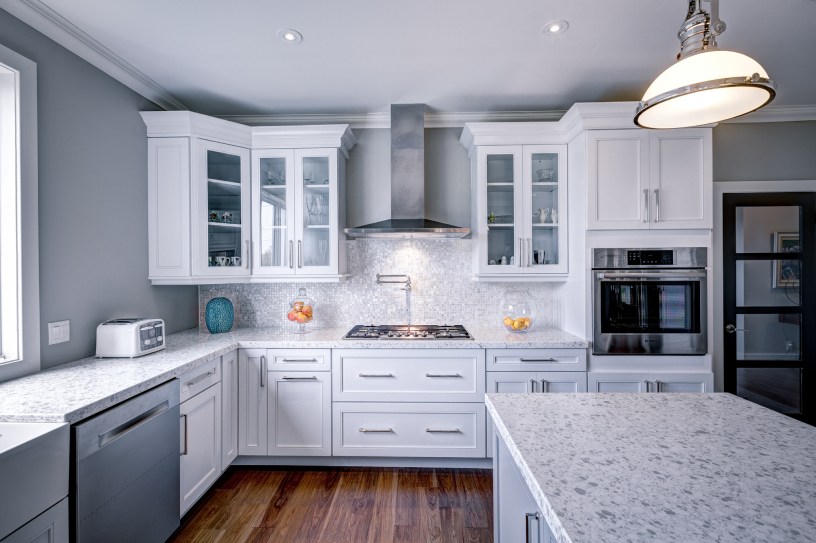
Designing a kitchen goes beyond mere aesthetics; it’s about creating a functional and inviting environment where culinary creativity flourishes. As the heart of the home, a well-designed kitchen should blend practicality with style, catering to both everyday use and special occasions. Here, we explore essential elements of kitchen design, offering insights to inspire your next renovation or build.
Layout: The Foundation of Functionality
The layout of your kitchen is paramount. It affects how you interact with the space and can significantly impact your cooking efficiency. There are several popular kitchen layouts to consider:
- L-Shape: Ideal for smaller spaces, the L-shape layout utilizes two walls, creating an efficient workflow. This design fosters a natural triangle between the stove, sink, and refrigerator, ensuring easy movement.
- U-Shape: For larger areas, the U-shaped kitchen encompasses three walls, providing ample counter space and storage. This configuration allows for multiple cooks to work simultaneously without crowding.
- Galley: Often found in narrower spaces, the galley layout features two parallel counters. This design maximizes efficiency, especially for those who enjoy cooking but may not require a large area.
- Island: Incorporating an island can enhance your kitchen’s functionality and style. It can serve as additional prep space, a casual dining area, or even a spot for entertaining guests.
When selecting a layout, consider your cooking habits and how you envision using the space. Flexibility is key, as you may want to integrate different zones for cooking, dining, and socializing.
Choosing the Right Materials
The materials you choose for your kitchen can dramatically influence both its look and durability. Here are some essential elements to consider:
- Countertops: Popular options include granite, quartz, and butcher block. Granite is celebrated for its natural beauty and resilience, while quartz offers a uniform appearance and low maintenance. Butcher block adds warmth and a rustic charm, perfect for avid cooks.
- Cabinetry: The choice of cabinetry can set the tone for your kitchen. Shaker-style cabinets offer a classic look, while flat-panel designs lend a modern aesthetic. Consider materials like wood, laminate, or even metal for a unique touch.
- Backsplash: A backsplash serves both functional and decorative purposes. Subway tiles are timeless, while mosaic designs can add a pop of color and texture. Glass or stainless steel can create a sleek, contemporary feel.
- Flooring: Durable and easy-to-clean materials are crucial for kitchen flooring. Options include tile, hardwood, or luxury vinyl. Tile is water-resistant and comes in various designs, while hardwood provides warmth but requires more maintenance.
Lighting: Setting the Mood
Lighting plays a vital role in kitchen design, affecting both functionality and ambiance. A well-lit kitchen should incorporate three types of lighting:
- Ambient: This general lighting provides overall illumination. Ceiling-mounted fixtures or recessed lights can create a bright environment.
- Task: Focused lighting is essential for work areas, such as countertops and stovetops. Under-cabinet lighting and pendant lights above an island can enhance visibility during meal prep.
- Accent: To highlight design features, accent lighting can create a dramatic effect. Consider showcasing decorative shelving or artwork with spotlights or LED strips.
The right combination of these lighting types ensures a comfortable, efficient workspace that transitions well from day to night.
Storage Solutions: Maximizing Space
Effective storage is critical in any kitchen. Clutter can hinder both functionality and aesthetics, so incorporating smart storage solutions is essential. Here are some ideas:
- Pull-Out Drawers: These can maximize cabinet space and make it easier to access pots, pans, and other kitchen tools.
- Vertical Storage: Utilize wall space by installing shelves or pegboards for hanging pots, pans, and utensils. This not only saves space but also adds character to your kitchen.
- Corner Cabinets: Lazy Susans or pull-out shelves in corner cabinets ensure no space goes unused, making it easier to access items tucked away.
- Pantries: If space allows, consider adding a pantry for dry goods and larger kitchen appliances. A well-organized pantry can streamline cooking and shopping.
Personal Touches: Infusing Style and Personality
Finally, adding personal touches can transform your kitchen into a unique reflection of your style. Whether through color choices, decorative accessories, or artwork, these elements can enhance your kitchen’s character.
Consider the following:
- Color Palette: Choose colors that evoke the desired mood. Soft pastels can create a calming atmosphere, while bold hues can energize the space.
- Decorative Accessories: Stylish dishware, artful kitchen tools, and plants can bring life and personality to your kitchen.
- Open Shelving: Instead of traditional upper cabinets, open shelves can display your favorite cookbooks, glassware, and decorative items, creating an inviting and personalized space.
By thoughtfully considering layout, materials, lighting, storage, and personal touches, you can design a kitchen that not only meets your functional needs but also serves as a welcoming space for family and friends. A well-planned kitchen is a joy to work in and a delight to gather around, making it a cherished part of your home.
 Home Care Art Blog