
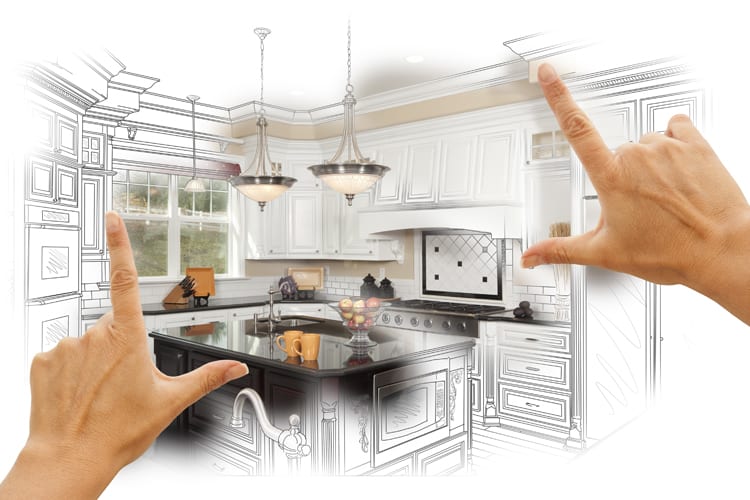
Remodeling a home is not just about changing aesthetics; it’s a thoughtful process that enhances functionality, reflects personal style, and often increases property value. Whether you’re looking to revamp a single room or undertake a whole-house transformation, understanding the intricacies of remodeling can lead to a more satisfying and successful experience. This guide explores the key aspects of remodeling, from planning to execution, ensuring that your project becomes a rewarding endeavor.
Understanding Your Goals
Before diving into any remodeling project, clarifying your goals is essential. Are you aiming to improve the functionality of your space, update outdated designs, or increase your home’s value? Identifying your primary objectives will guide every decision you make. For instance, if your goal is to create a more open living space, you might consider removing walls or expanding doorways. On the other hand, if you’re focused on increasing resale value, you may want to prioritize updates that appeal to a broad range of potential buyers.
Budgeting Wisely
Creating a realistic budget is a cornerstone of any successful remodeling project. Begin by outlining the scope of your work and researching average costs for materials and labor in your area. Allocate a portion of your budget for unexpected expenses—generally, it’s wise to set aside around 10-20% of your total budget for contingencies. Remember, investing in quality materials and skilled labor can save you from costly repairs down the line, making it essential to avoid the temptation of opting for the cheapest options available.
Choosing the Right Professionals
While some homeowners may be tempted to tackle remodeling projects themselves, hiring professionals can often yield superior results. When selecting contractors, conduct thorough research, check reviews, and ask for referrals. Look for specialists with experience in the type of work you’re considering, whether it’s kitchen remodeling, bathroom renovations, or whole-house renovations. Schedule consultations with multiple contractors to compare their approaches, timelines, and estimates. Effective communication is vital; ensure that the professionals you choose understand your vision and can offer valuable input based on their expertise.
Design Inspiration and Planning
The design phase is where creativity comes into play. Gather inspiration from various sources—home improvement shows, magazines, online platforms like Pinterest, and even visiting model homes. Develop a cohesive design plan that considers your lifestyle, aesthetic preferences, and practical needs. It’s beneficial to create mood boards or sketches to visualize your ideas.
During this phase, also consider the layout of your space. In a kitchen remodel, for example, think about the work triangle—how the stove, sink, and refrigerator are positioned in relation to each other for maximum efficiency. For living areas, open floor plans can enhance social interactions, while well-defined spaces can provide a sense of comfort and organization.
Material Selection
Choosing the right materials can dramatically affect the look and feel of your remodeled space. Prioritize quality, durability, and maintenance requirements. For example, if you’re remodeling a bathroom, consider moisture-resistant materials like ceramic tiles or natural stones. In kitchens, granite or quartz countertops not only offer visual appeal but also withstand the demands of daily use.
Don’t overlook the importance of lighting, as it can transform a room’s atmosphere. Layering different types of lighting—ambient, task, and accent—can enhance both functionality and aesthetics. Select fixtures that complement your overall design theme while ensuring they are appropriately sized for the space.
Permitting and Regulations
Before commencing work, familiarize yourself with local building codes and regulations. Depending on the extent of your remodel, you may need to obtain permits. This is particularly true for structural changes, electrical work, or plumbing alterations. Ensuring that your project adheres to legal requirements will save you from potential complications down the road.
Execution and Project Management
Once all plans are in place, it’s time to put them into action. Effective project management is crucial to keeping the remodel on track. Set a clear timeline and communicate it to all involved parties. Regular check-ins with your contractor can help address any issues that arise promptly. It’s important to remain flexible, as unforeseen challenges often occur during the remodeling process.
Enjoying Your Newly Remodeled Space
After weeks or months of hard work, the moment arrives when you can finally enjoy your transformed space. Take the time to appreciate the changes, and reflect on how the remodel has enhanced your home’s functionality and aesthetic appeal. Whether it’s hosting friends in your newly updated kitchen or relaxing in your redesigned bathroom, the rewards of your efforts are meant to be savored.
Embracing a remodeling project can be both exciting and daunting. By planning meticulously, budgeting wisely, and selecting the right professionals, you can transform your home into a space that not only meets your needs but also resonates with your personal style. Remember, remodeling is more than just renovation; it’s about creating a home that reflects who you are and how you want to live.
 Home Care Art Blog