
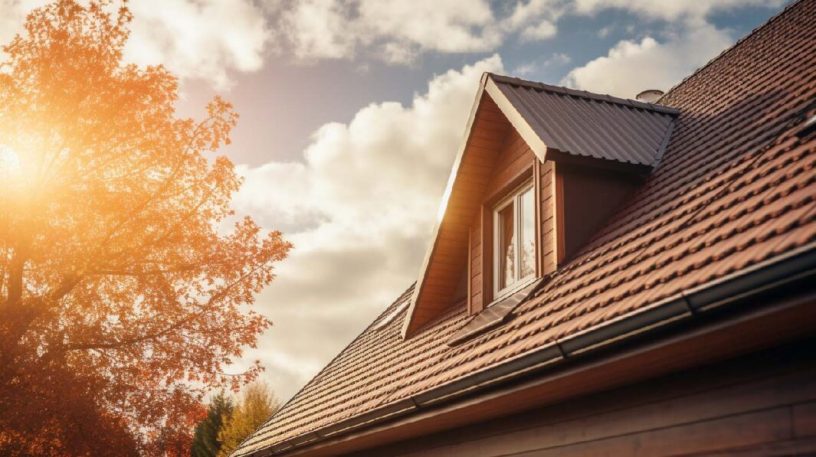
When it comes to protecting our homes, roofing is one of the most critical aspects to consider. A well-constructed roof not only enhances the aesthetic appeal of a house but also safeguards it from the elements. This comprehensive guide will explore various roofing types, materials, and essential maintenance practices to help homeowners make informed decisions.
Types of Roofing
1. Asphalt Shingles
Asphalt shingles are among the most popular roofing materials in North America. They come in two primary types: organic and fiberglass. Organic shingles are made from recycled paper and coated with asphalt, while fiberglass shingles are constructed with a fiberglass mat, making them more durable.
Advantages:
- Affordability: Asphalt shingles are relatively inexpensive compared to other materials.
- Variety: They come in numerous colors and styles, allowing homeowners to choose a design that complements their property.
- Ease of Installation: Their lightweight nature makes installation straightforward, often requiring less time and labor.
Disadvantages:
- Lifespan: Typically, asphalt shingles last around 20 to 30 years, which is shorter than other roofing options.
- Weather Vulnerability: They can be susceptible to wind damage and may not perform well in extreme weather conditions.
2. Metal Roofing
Metal roofing has gained popularity due to its durability and longevity. Common materials include aluminum, steel, and copper. Metal roofs can be installed as panels or shingles, offering versatility in design.
Advantages:
- Longevity: Metal roofs can last 40 to 70 years, making them a long-term investment.
- Energy Efficiency: They reflect solar heat, which can reduce cooling costs during hot summer months.
- Fire Resistance: Metal is non-combustible, providing added safety in case of fire.
Disadvantages:
- Initial Cost: The upfront cost can be significantly higher than asphalt shingles.
- Noise: Rain and hail can create a louder environment under a metal roof if not properly insulated.
3. Tile Roofing
Tile roofs, often made from clay or concrete, offer a distinctive look that many homeowners desire. They are popular in regions with Mediterranean or Spanish architectural styles.
Advantages:
- Aesthetics: Tile roofs add a classic and elegant appearance to homes.
- Durability: They can last over 50 years and are resistant to rot, insect damage, and fire.
- Insulation: Tile offers excellent thermal insulation, contributing to energy savings.
Disadvantages:
- Weight: Tile roofing is heavy and may require additional structural support.
- Cost: The materials and installation can be quite expensive compared to other options.
4. Slate Roofing
Slate roofing is a high-end option that boasts unmatched durability and beauty. Made from natural stone, slate roofs are available in various colors and thicknesses.
Advantages:
- Longevity: Slate can last over 100 years, making it one of the longest-lasting roofing materials available.
- Low Maintenance: Its natural properties resist mold and algae growth, requiring minimal upkeep.
- Eco-Friendly: Slate is a natural product and is fully recyclable.
Disadvantages:
- Cost: The initial investment is high due to material and labor costs.
- Fragility: Slate tiles can crack or break under heavy impact or foot traffic.
Roofing Materials: A Closer Look
Choosing the right roofing material is essential for ensuring durability and performance. In addition to the types mentioned above, consider these materials:
- EPDM (Ethylene Propylene Diene Monomer): A popular choice for flat roofs, EPDM is a rubber roofing membrane known for its longevity and weather resistance.
- TPO (Thermoplastic Olefin): Also used for flat roofs, TPO is known for its energy efficiency and ease of installation.
- Wood Shingles and Shakes: Made from cedar, pine, or redwood, these roofs offer a rustic aesthetic but require regular maintenance to prevent decay and insect damage.
Essential Roofing Maintenance
Maintaining a roof is crucial for extending its lifespan and preventing costly repairs. Here are some key maintenance tips:
- Regular Inspections: Schedule annual inspections to check for damage, missing shingles, and signs of leaks. Pay extra attention after severe weather events.
- Cleaning Gutters: Clogged gutters can lead to water pooling on the roof, causing damage. Clean them regularly to ensure proper drainage.
- Trim Overhanging Branches: Trees close to your home can cause damage if branches fall during storms. Regularly trim back any overhanging foliage.
- Address Minor Issues Promptly: Don’t wait for small leaks or damages to worsen. Fixing minor problems can prevent significant repairs down the line.
Conclusion
Understanding the various roofing types and materials, along with maintaining your roof properly, is vital for any homeowner. By choosing the right roofing solution and implementing regular maintenance practices, you can ensure that your home remains protected, functional, and beautiful for years to come. Whether you’re building a new home or renovating an existing one, consider your options carefully and consult with professionals to achieve the best results for your roofing needs.
 Home Care Art Blog